DVT / Blood Clots
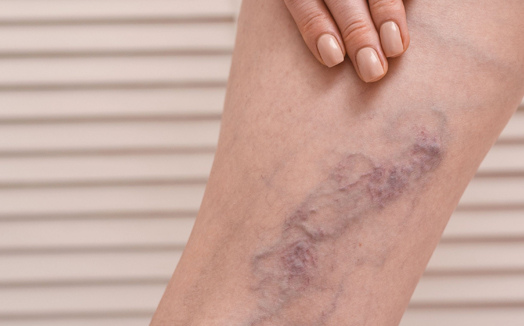
Deep Vein Thrombosis (DVT) is a condition in which a blood clot forms in the deep veins, most commonly in the legs. If left untreated, it can become a serious and life-threatening medical emergency.
A major complication of DVT is Pulmonary Embolism (PE), where part of the clot breaks away and travels to the lungs, blocking blood flow. This can cause severe breathing difficulties and, in some cases, may lead to sudden death.
Early diagnosis and prompt treatment are essential to reduce the risk of complications and prevent the clot from reaching the lungs.
Treatment options may include anticoagulant (blood-thinning) medications to prevent further clot formation. In selected cases, thrombolysis or Catheter-Directed Thrombolysis (CDT) may be performed to dissolve the clot and restore normal blood flow.
For patients at high risk of pulmonary embolism, an Inferior Vena Cava (IVC) Filter—a small umbrella-shaped device—may be placed in the main vein to prevent blood clots from traveling to the lungs.
Explore our educational videos and infographics to learn more about DVT, its symptoms, risk factors, and available treatment options.