Carotid Artery Stenosis (Brain Attack)
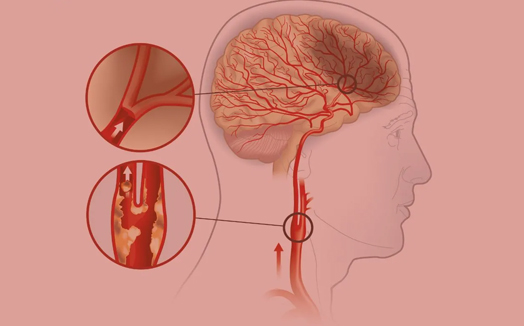
Carotid Artery Stenosis is a condition in which the carotid arteries—the major blood vessels supplying oxygen-rich blood to the brain—become narrowed or blocked due to the buildup of fatty deposits (plaque) or blood clots. This can significantly reduce blood flow to the brain and increase the risk of a stroke (brain attack) or paralysis.
Common warning signs may include sudden weakness or numbness on one side of the body, difficulty speaking, loss of vision, dizziness, or facial drooping. These symptoms require immediate medical attention, as early treatment can prevent permanent brain damage.
Treatment focuses on restoring blood flow to the brain and reducing the risk of future strokes. Depending on the severity of the blockage, treatment options include Carotid Artery Stenting (CAS) or Carotid Endarterectomy (CEA), a surgical procedure to remove the plaque from the artery.
Timely diagnosis and appropriate treatment can significantly reduce the risk of stroke, improve brain circulation, and support recovery in patients with neurological symptoms.
Explore our educational videos and infographics to learn more about Carotid Artery Stenosis, its symptoms, risk factors, and treatment options.