What Are Vascular Diseases?
Vascular diseases are conditions that affect the body's circulatory system, including the arteries, veins, and lymphatic vessels. These conditions can interfere with the normal flow of blood or lymph, reducing the supply of oxygen and nutrients to vital organs and tissues.
Early diagnosis and appropriate treatment are essential to prevent complications and maintain healthy circulation. Understanding the different types of vascular diseases and recognizing their symptoms can help you seek timely medical care.
Understanding Your Vascular System
- Arteries – Carry oxygen-rich blood from the heart to the body's organs and tissues.
- Veins – Return oxygen-poor blood back to the heart for reoxygenation.
- Lymphatic Vessels – Transport lymph fluid, helping remove waste, maintain fluid balance, and support the immune system.
Types of Vascular Diseases
Atherosclerosis
What is it?
A condition in which fatty deposits (plaque) build up inside the arteries, causing them to become narrow and less flexible.
Common Symptoms
- Chest pain or discomfort
- Shortness of breath
- Fatigue
- Increased risk of heart attack or stroke
Peripheral Artery Disease (PAD)
What is it?
A narrowing of the arteries that reduces blood flow to the legs and feet, often causing pain during physical activity.
Common Symptoms
- Leg pain or cramping while walking
- Numbness or weakness in the legs
- Cold feet or toes
- Non-healing wounds or ulcers
Aneurysms
What is it?
An aneurysm is a weakened area in the wall of an artery that enlarges or bulges over time. If left untreated, it may rupture and become life-threatening.
Common Symptoms
- Often no symptoms in the early stages
- Sudden or persistent pain
- Pulsating sensation in the abdomen (in some cases)
Venous Thromboembolism (VTE)
What is it?
A condition caused by blood clots in the veins, including Deep Vein Thrombosis (DVT) and Pulmonary Embolism (PE).
Common Symptoms
- Swelling in one leg
- Pain or tenderness
- Redness or warmth over the affected area
- Sudden shortness of breath or chest pain (Pulmonary Embolism)
Varicose Veins
What is it?
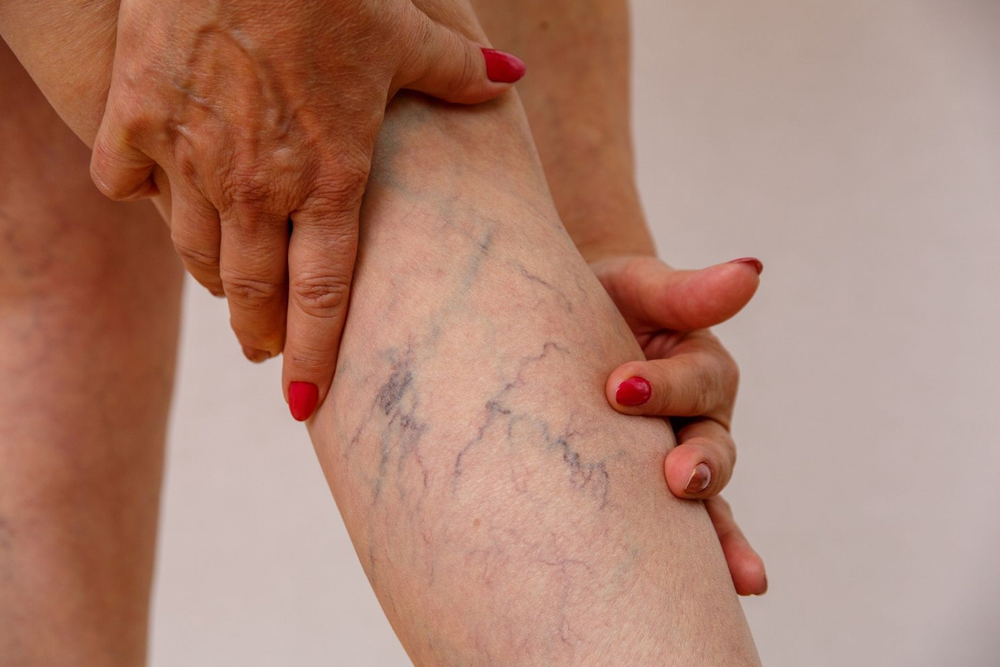
Enlarged, twisted veins that commonly develop in the legs due to weakened vein valves.
Common Symptoms
- Visible bulging veins
- Aching or heaviness in the legs
- Swelling around the ankles
- Itching or skin discoloration
Carotid Artery Disease
What is it?
Narrowing or blockage of the carotid arteries that supply blood to the brain, increasing the risk of stroke.
Common Symptoms
- Often no symptoms until advanced
- Temporary weakness or numbness
- Difficulty speaking
- Sudden vision changes
- Stroke or Transient Ischemic Attack (TIA)
Lymphedema
What is it?
A condition caused by blockage or damage to the lymphatic system, resulting in the accumulation of lymph fluid and swelling.
Common Symptoms
- Persistent swelling of the arm or leg
- Feeling of heaviness or tightness
- Reduced flexibility
- Recurrent skin infections
When Should You Seek Medical Attention?
Consult a vascular surgeon if you experience persistent leg pain, swelling, visible varicose veins, non-healing wounds, numbness, changes in skin color, or symptoms that affect your circulation. Early diagnosis and timely treatment can help prevent serious complications and improve your overall vascular health.