Who is a Vascular Surgeon?
A vascular surgeon is a specialist trained in the diagnosis, treatment, and prevention of diseases affecting the arteries, veins, and lymphatic system. These conditions impact blood circulation throughout the body, excluding the heart and brain.
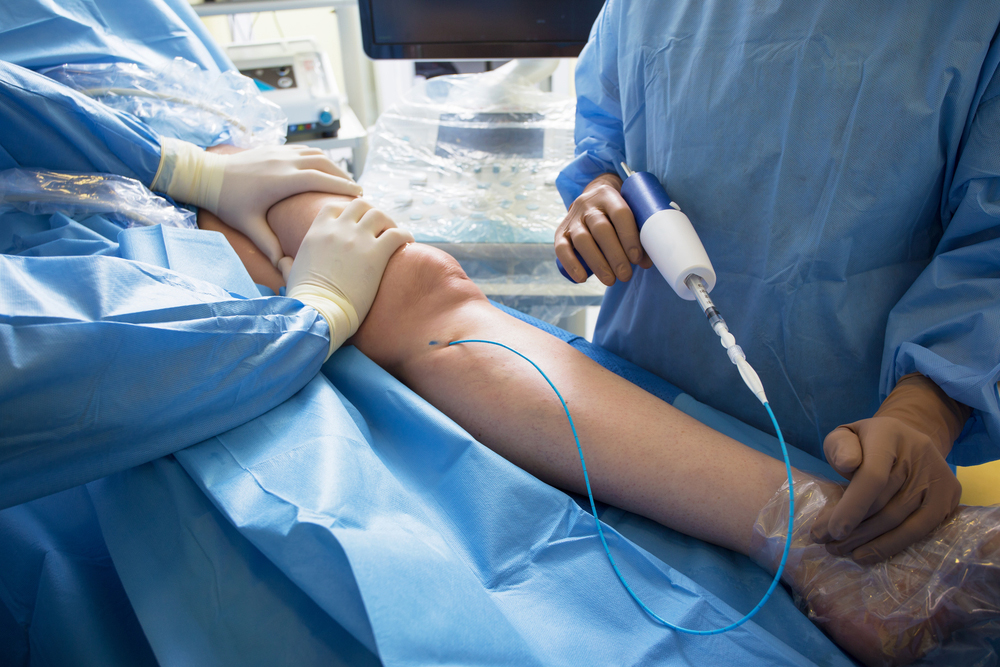
Using both advanced minimally invasive endovascular techniques and traditional surgical procedures, vascular surgeons help restore healthy blood flow, preserve limbs, and improve overall vascular health.
When Should You Consult a Vascular Surgeon?
You should consult a vascular surgeon if you experience symptoms or have risk factors that may indicate a vascular condition. Early evaluation can help prevent serious complications and improve treatment outcomes.
Seek expert vascular care if you have:
- Persistent leg pain while walking or at rest
- Swelling in the legs or feet
- Varicose veins or visible enlarged veins
- Non-healing wounds or foot ulcers
- Changes in skin color or temperature of the limbs
- Numbness, heaviness, or cramping in the legs
- A history of diabetes, smoking, high blood pressure, or high cholesterol
- A family history of vascular disease or aneurysms
Conditions Treated by Vascular Surgeons
Vascular surgeons diagnose and treat a wide range of conditions affecting the circulatory system, including:
- Varicose Veins & Chronic Venous Insufficiency – Enlarged or damaged veins that can cause leg pain, swelling, skin changes, and venous ulcers.
- Deep Vein Thrombosis (DVT) – A blood clot in a deep vein, usually in the leg, that requires prompt treatment to prevent serious complications.
- Carotid Artery Disease – Narrowing of the carotid arteries that can reduce blood flow to the brain and increase the risk of stroke.
- Peripheral Artery Disease (PAD) – Reduced blood flow to the legs due to narrowed arteries, leading to pain, cramping, and difficulty walking.
- Aneurysms – A weakened or enlarged artery that can rupture if left untreated, making early detection essential.
- Lymphedema – Persistent swelling caused by impaired drainage of the lymphatic system.
- Diabetic Foot & Non-Healing Ulcers – Chronic wounds resulting from poor circulation that require specialized vascular care to prevent infection and amputation.
- Renal Artery Stenosis – Narrowing of the arteries supplying the kidneys, which may lead to uncontrolled blood pressure and reduced kidney function.
- Mesenteric Ischemia – Reduced blood supply to the intestines, often causing severe abdominal pain and requiring urgent treatment.
- Vascular Trauma – Injuries to blood vessels caused by accidents or trauma that need immediate vascular intervention.