Vascular Condition
Vascular conditions are disorders that affect the arteries, veins, and lymphatic vessels, disrupting normal blood circulation. If left untreated, they can increase the risk of serious complications such as stroke, limb loss, or other circulatory problems. Early diagnosis and timely treatment play a vital role in maintaining vascular health.
Symptoms
Symptoms vary depending on the condition but may include:
- Leg pain or cramping
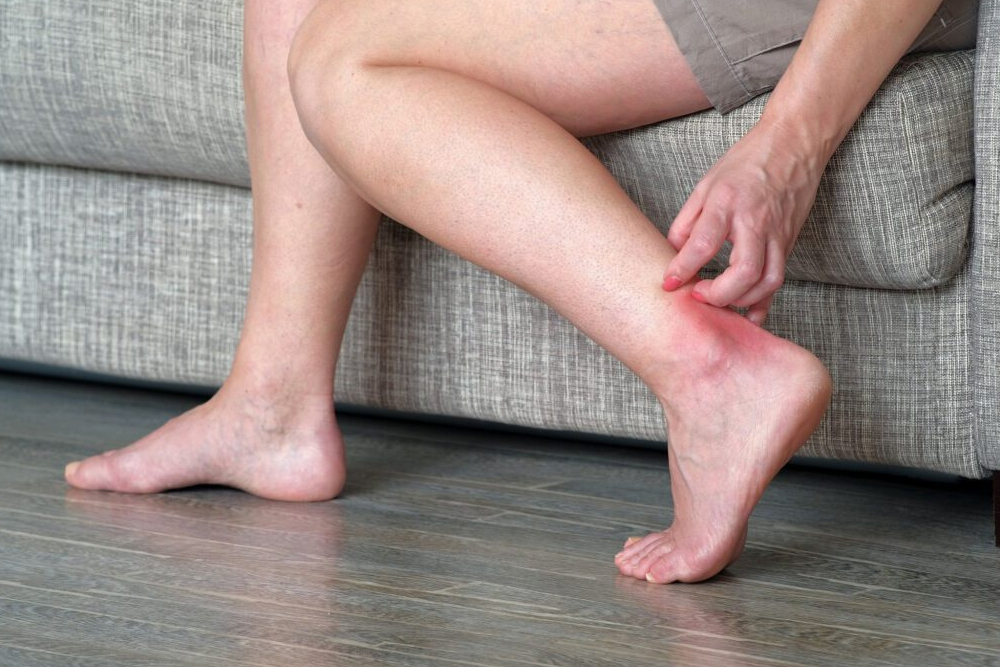
- Swelling in the legs or feet
- Numbness or weakness
- Non-healing wounds or ulcers
- Visible varicose veins
- Changes in skin color or temperature
Diagnosis
Vascular conditions are diagnosed using a combination of:
- Physical Examination – Assessment of symptoms and circulation.
- Imaging Tests – Ultrasound, CT Scan, MRI, or Angiography to evaluate blood vessels.
- Blood Tests – To assess cholesterol, blood sugar, and other risk factors.
- Specialized Vascular Tests – Such as the Ankle-Brachial Index (ABI) or Venous Doppler studies.
Prevention
Simple lifestyle changes can help reduce the risk of vascular disease:
- Follow a healthy, balanced diet.
- Stay physically active and maintain a healthy weight.
- Avoid smoking and limit alcohol consumption.
- Monitor blood pressure, cholesterol, and blood sugar regularly.
- Manage conditions such as diabetes, hypertension, and high cholesterol under medical guidance.