Blood Clot Information
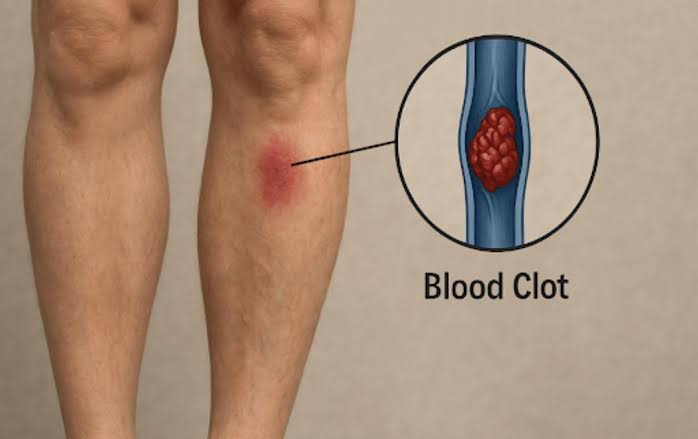
Blood clots are a natural response that helps stop bleeding by sealing damaged blood vessels and supporting the body's healing process. While they are essential for recovery, clots that form unnecessarily or travel through the bloodstream can become serious and require medical attention.
Types of Blood Clots
1. Thrombus:
A blood clot that develops and remains at its original location, commonly within a vein (such as deep vein thrombosis or DVT) or an artery.
2. Embolus:
A clot that breaks away from its original site and moves through the bloodstream. It can block blood flow in vital organs such as the lungs (pulmonary embolism), brain (stroke), or other parts of the body.
Common Causes of Blood Clots
1. Prolonged Immobility:
Extended periods of sitting, bed rest, or long-distance travel can slow blood circulation and increase the risk of clot formation.
2. Surgery or Injury:
Damage to blood vessels caused by surgery, trauma, or physical injury may trigger the formation of blood clots.
3. Underlying Medical Conditions:
Health conditions such as atrial fibrillation, heart disease, and certain cancers can raise the likelihood of developing blood clots.
4. Genetic Factors:
Some individuals inherit blood clotting disorders that make them more prone to forming clots than others.